Our Principal Investigator and professor at Universidad de Tarapacá published a Note to the Director in La Tercera, chilean newspaper.
To the Editor,
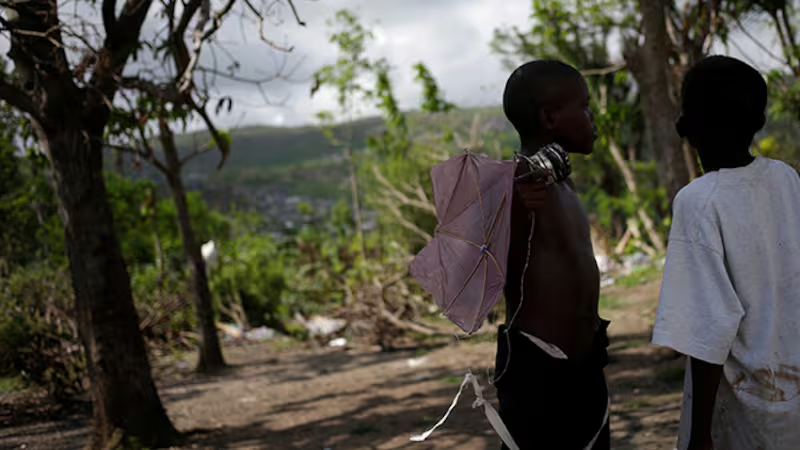
The confirmation that the 64 Haitian children and adolescents whose whereabouts had initially been unaccounted for have now been located and are safely in the care of their families is welcome news. This comes after a controversy that went so far as to suggest the existence of child trafficking networks. However, the report by the Comptroller General’s Office exposed a genuine problem: the lack of coordination among the state agencies responsible for these processes, resulting in serious failures in the ability to track these children after their entry into the country. This is an issue the State must address urgently by strengthening oversight mechanisms and identifying institutional responsibilities.
Yet this obligation does not justify legislating in response to public alarm. The bill seeking to tighten the requirements for family reunification (Bill No. 18.377-06) risks turning the absence of legalized or apostilled documents into an absolute barrier, without recognizing that, in countries experiencing profound institutional crises, such documents may be materially impossible to obtain or verify. For Haitian families—and, to a large extent, Venezuelan families—this is not necessarily the result of voluntary noncompliance or fraudulent intent, but rather of the inability of institutions in their countries of origin to issue or authenticate the required documentation.
Imposing requirements that cannot realistically be met does not strengthen migration policy. It merely closes the regular pathway for children to reunite with their parents, prolongs painful family separations, and may push families into more precarious and risky situations, particularly for children. The appropriate response is different: rigorous oversight, effective traceability, and exceptional, transparent, and reviewable mechanisms for establishing family relationships in contexts where official documentation is unavailable.
Protecting children does not mean choosing between effective migration control and family reunification. It means building a system capable of guaranteeing both, guided by the best interests of the child rather than by the urgency of political contingencies.
Antonia Mardones Marshall
Principal Researcher, MIGRA Millennium Nucleus
Faculty Member, University of Tarapacá