July 6, 2026
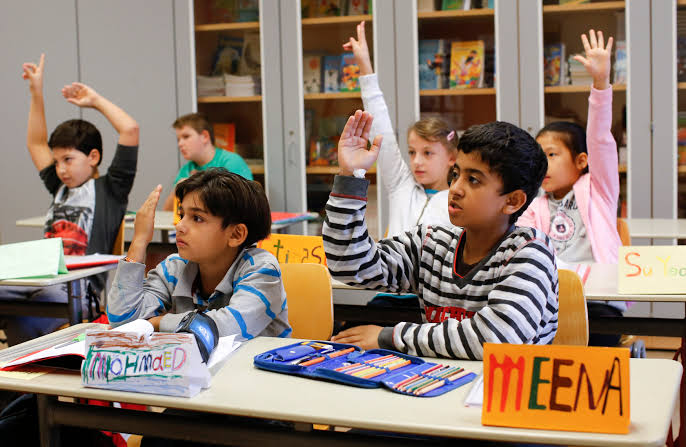
We analyse how public schools in Arica develop strategies to support migrant students experiencing interrupted schooling and learning gaps. Based on qualitative interviews with 32 teachers and school professionals, we identify strategies that combine, connect, and alternate governmental guidelines, school-level initiatives, and informal practices. These extend beyond the educational sphere to include economic and socio-emotional support. Educational responses focus on literacy development by redirecting institutional mechanisms to assist students with learning gaps. Simultaneously, schools mobilize resources to facilitate access to food, healthcare, school supplies, and psychological support for students who have experienced trauma and rights violations. Drawing on Ball’s sociology of education policy, we interpret these strategies as part of the contested production of inclusive policy, where school actors manage and resist high-stakes accountability. The findings highlight the role of leadership in enabling flexible responses while recognizing policy adaptation as an ongoing power dispute.